
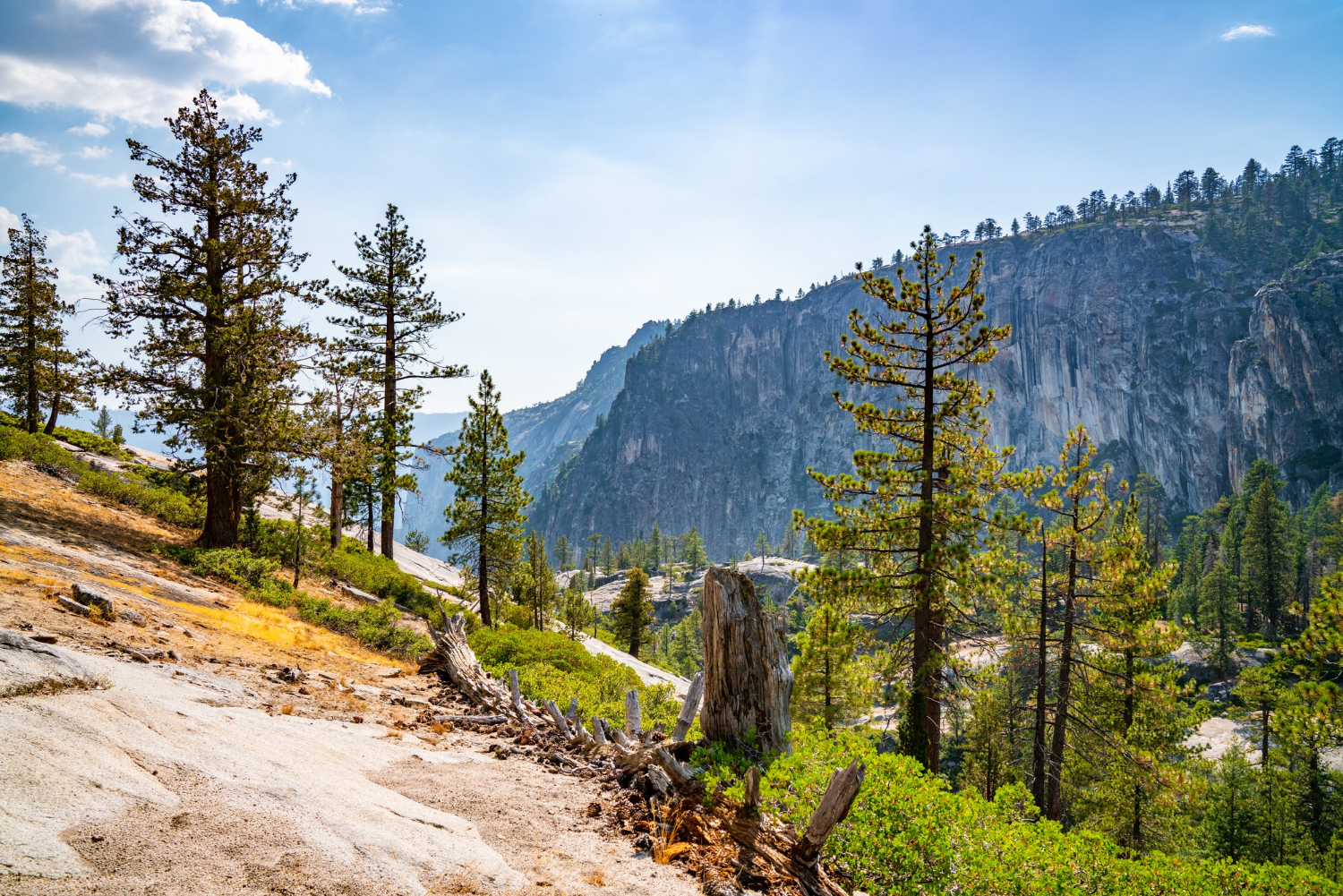
The National Park Warning Most Tourists Don’t Know or Simply Ignore
National parks look peaceful in travel videos. Cultural Creatives often encourage travelers to respect these places instead of bulldozing through them for fast photos and social media clips. Waterfalls roar, mountains glow at sunset, and wildlife casually wanders around like they own the place because, honestly, they do. Then tourists show up wearing flip-flops, carrying one tiny water bottle, and acting like the laws of nature took the day off. Here’s the warning people ignore constantly: national parks are still wilderness. Beautiful wilderness, yes. But wilderness absolutely does not care about your vacation plans.
Animals Are Not Disney Characters
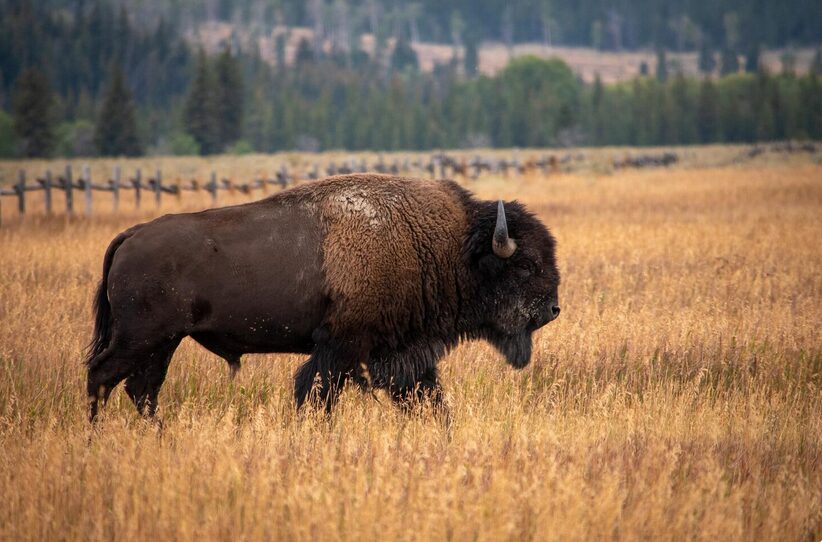
Tourists keep treating wild animals like fuzzy celebrities at a meet-and-greet event. Somebody always gets too close to a bison, elk, bear, or moose because they want the perfect photo. Then everybody acts shocked when the animal reacts like an actual animal. Bison especially deserve more respect. They look calm until they suddenly launch forward like giant furry linebackers. National parks constantly warn visitors to keep a distance, yet people still approach them with unbelievable confidence. Food creates problems, too. Leaving snacks unattended attracts wildlife fast. Once animals connect humans with food, dangerous encounters become more common for everyone visiting later.
Most People Underestimate Heat and Elevation
This one sneaks up hard. Visitors assume hiking will feel easy because the trail looked manageable online. Then the heat kicks in, elevation starts draining energy, and suddenly that “quick walk” becomes a survival documentary. Dehydration wrecks people constantly in national parks. Dry air, sun exposure, and long hikes drain energy faster than expected. By the time you feel thirsty, your body is already struggling.
Tourists also ignore how exhausting altitude can feel. Even healthy travelers get winded faster at higher elevations. Add steep trails and poor preparation into the mix, and things spiral quickly. Rangers repeat the same advice every year for a reason. Drink water constantly, wear proper shoes, and stop pretending your body runs on motivational quotes alone.
Cell Phones Won’t Save You Everywhere

A surprising number of visitors assume phones work perfectly in remote areas. Bad assumption. Many parks have weak signals or zero service entirely. Your phone suddenly transforms from magical pocket assistant into an overpriced paperweight. People rely too heavily on digital maps, too.
Batteries die. Apps freeze. Weather changes. Suddenly, travelers who ignored physical trail signs start wandering around confused, like raccoons searching for Wi-Fi. Basic preparation matters more outdoors. Download maps before arriving. Carry backup chargers. Tell someone your route if you’re hiking deep into isolated areas. Simple habits can prevent genuinely dangerous situations.
Trying to Rush the Entire Experience
This might be the biggest mistake of all. Tourists sprint through parks like contestants in a reality show challenge. Five viewpoints. Two hikes. One scenic drive. Everything crammed into a single exhausting day. Rushing creates sloppy decisions. People ignore warning signs, skip rest breaks, or continue hiking after dark because they feel pressured to “see everything.” That mindset drains the fun right out of the trip. National parks work better at a slower pace. Sit quietly near the river. Watch wildlife from a safe distance. Those moments usually become the best memories anyway.
The smartest travelers understand something important. National parks are not amusement rides built for nonstop speed. They reward patience, preparation, and respect. Ignore …